

IN DEVELOPMENT...
We are currently publishing profiles for 100+ activities. If an activity you're looking for isn’t yet listed, please email us at info@saaia.org.za to request guidance or contribute to its development.
Technical Competency Framework

Welcome to the SA AIA Technical Competency Framework — a national reference point for defining the minimum technical skills and assessment standards across all recognized adventure activities.
This page provides:
-
An organised list of over 100 activities grouped into categories.
-
Access to detailed competency profiles per activity called a Skill Guideline Document.
-
General guidance on training, mentorship, and assessment.
-
Supporting documents and standards for training providers and assessors.
How to use this page:
Browse by Category: Scroll to a category below to view the activities.
-
Browse by Category: Scroll to a category below to view the activities.
-
Select an Activity: Click on an activity name to access its access the protected PDF — free for reference use.
-
Access Resources: Scroll to the bottom of this page for training and assessment guidelines.

WHAT'S IN A SKILL GUIDELINE DOCUMENT?
Each skills guideline document includes:
-
Scope of Practice
-
Required Technical Skills
-
Minimum Safety Standards
-
Environmental Considerations
-
Assessment Criteria
-
Legal & Regulatory Notes (where applicable)
-
Applicable Roles (e.g., Guide, Assistant, Instructor, Facilitator)
ADVENTURE SKILLS

Mountaineering
Mountain Walking
Abseiling
Single Pitch Rock Climbing
Multi Pitch Rock Climbing
Canyoning
Caving / Spelunking (non-roped)

Aerial non-flight
Ziplining
King Swing
Abseiling (artificial)
Rope Swings
Free Fall Devices
Sky Towers / Drop Towers
Tree Canopy Tours
High Wire Solo Traverse
QuickFlight / Airbag Jumps
Auto-belay Aerial Jump Systems
High Ropes

Wheel-Based
Mountain Biking
Road Cycling
E-bike Guided Tours
Urban Cycling Tours
Off-Road Scooters
Overlanding Trucks

Other / Mixed
Archery (field or range-based)
Paintball
Airsoft
Laser Tag
Axe Throwing / Knife Throwing
Slingshot
Low Ropes / Ground-based Obstacles
Orienteering / Adventure Racing
Scavenger Hunts / Puzzle Trails
Trust Games & Team Challenges
Blindfold Navigation Tasks
Sensory & Reflection
Problem-Solving Initiatives
Meta-skills (empathy, communication)
Horseback Trail Riding
Horse-Packing / Multi-day Treks
Bouldering Walls
Escape Rooms
Virtual-Physical Hybrid Adventures
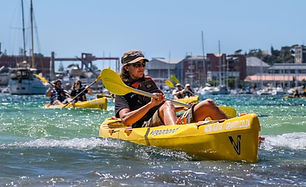
Water-based
Flatwater Kayaking
Whitewater Kayaking (Swift water / Rivers)
Sea / Ocean Kayaking
Whitewater Rafting
Canoeing
River Tubing / Geckoing
Flatwater Paddling
Whitewater Paddling (Swift water / Rivers)
Sea / Ocean Paddling
Sit-on-top Paddling
Stand-up Paddle Boarding (SUP)
Swimming
Snorkelling
Raft Building
Swift Water / Rescue Training
Team Building (to be expanded)
Adventure Fishing Skills and Safety
E-foiling
Adventure Activity Tours
GENERAL GUIDELINES FOR TRAINING & ASSESSMENT
The following applies across all activities & categories:
-
Skills Development:
-
Training should be context-specific and include practical instruction, scenario-based learning, and supervised application.
-
Practitioners must demonstrate consistent competence under realistic conditions.
-
-
Mentorship & Supervision:
-
Novices & trainees must operate under supervision until deemed competent.
-
Supervisors/mentors must be qualified & experienced in the specific activity.
-
-
Assessment:
-
Assessments must align with SA AIA's Technical Assessment Policy and:
-
Be conducted by qualified assessors.
-
Be documented & retained for review.
-
Include both formative and summative evaluation.
-
-
-
Safety & Ethics:
-
Risk assessments must be in place for each activity.
-
All practices must adhere to the SA AIA Code of Conduct & Professional Ethics.
-
Consideration must be given to participant needs, local context, and environmental impact.
-